Understanding all costs involved in analog ASIC development

The costs of designing and producing an analog ASIC chip can be grouped into three main parts: human capital, software tools, and prototype fabrication. While all three are equally critical to success, it’s important to note that design tools and wafer foundries are ubiquitous. All semiconductor companies have equal access to them, and it’s rare that a problem with the performance of an analog ASIC comes from the tools used or the wafer foundry that produced it.
Human capital: The ultimate differentiator
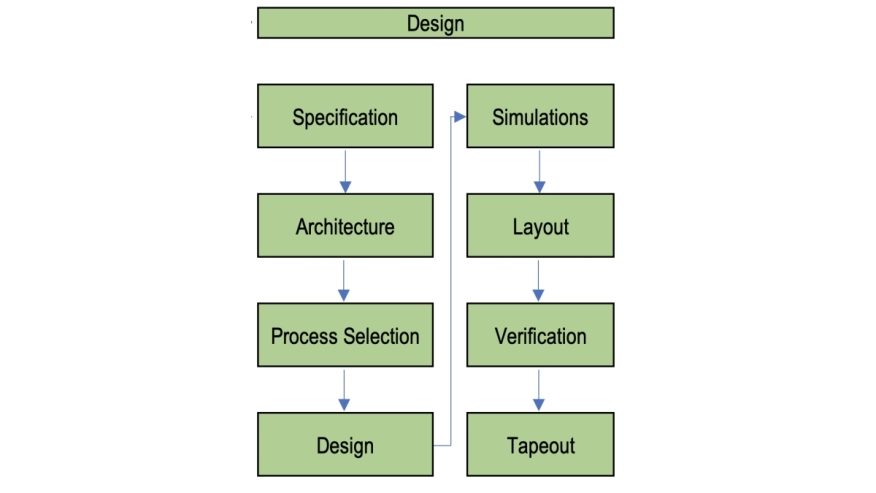 If you’re considering an analog ASIC, specification development, circuit design, and physical layout are the most critical steps. These are the true differentiators between the “doers” and “pretenders” (for more on this, read my article “For a Successful Analog ASIC, First Weed Out the Pretenders”).
They require the highest level of analog design skills. I’m referring to teams of craftsmen that have done hundreds of complex precision analog chips that meet requirements others said were impossible. These individuals typically have 30 to 40+ years of experience and can command salaries exceeding $350K per year. They are scarce, they are expensive, and they are worth every penny.
If you remember one thing from the paper mentioned above, let it be this: human capital is the ultimate differentiator.
To read the full article, click here
Related Semiconductor IP
- nQrux® Root of Trust IP
- AXI to UCIe Bridge IP
- UCIe 2.x Controller IP
- SWI3S (SoundWire I3S Interface) Peripheral Controller Core IP
- OpenTitan-based RISC-V Secure Element
Related Blogs
- Between ASIC and microcontroller: It's all about System Realization
- How LETI IP will speed-up GlobalFoundries 22FDX ASIC Development
- SiFive HiFive: The Vital Role of Development Boards in Growing The RISC-V Ecosystem + HiFive Premier P550 Update
- Understanding Extended Metadata in CXL 3.1: What It Means for Your Systems
Latest Blogs
- From Bug Hunting to Engineering Methodology: Lessons from AI-Driven Development
- Manufacturing Intelligence: Turning EDA Data into Trusted Action
- Execute-in-Place: Getting More from Embedded NVM
- Rethinking RTL flows with AI-driven hybrid formal verification
- Arm and NVIDIA: Building the trusted compute foundation for the agentic AI era