Protecting die-2-die interfaces...

There are several reasons to combine various chiplets in a single package, either next to each other (2.5D) or stacked on top of each other (3D) like the memory cube depicted below.
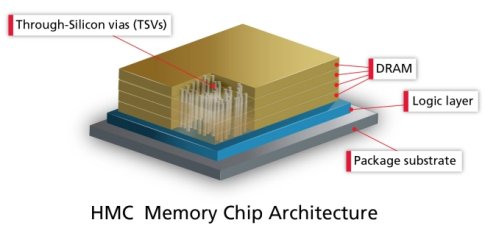
Example of a 3D stacked, co-packaged assembly. 4 layers of DRAM memory are stacked on top of a logic layer. Many of the interfaces between the logic layer and the memory devices stay within the package.
For instance, it enables chip designers to select the most optimal process for each type of function (interface, memory, compute, FPGA, analog circuits, MEMS, optical, …). It also allows to create chips with larger gate count when the reticle size is the limiting factor. And of course, yield improves a lot when the area of the die is reduced.
At Sofics we get a lot of questions about the required ESD robustness for the die-2-die (D2D) interfaces between chiplets in a package. People wonder how to select the right ESD standard (HBM, MM, CDM, TLP – more info) and what robustness level (1kV HBM?) they need to design for. Furthermore people wonder how they can validate the robustness once ESD devices are integrated?
What is the right ESD standard and ESD robustness level?
To read the full article, click here
Related Semiconductor IP
- nQrux® Root of Trust IP
- AXI to UCIe Bridge IP
- UCIe 2.x Controller IP
- SWI3S (SoundWire I3S Interface) Peripheral Controller Core IP
- OpenTitan-based RISC-V Secure Element
Related Blogs
- SSD Interfaces and Performance Effects
- Protecting Against IP Theft
- On-chip interfaces gain importance in next-gen FPGAs
- Verifying MIPI interfaces in SoCs
Latest Blogs
- From Bug Hunting to Engineering Methodology: Lessons from AI-Driven Development
- Manufacturing Intelligence: Turning EDA Data into Trusted Action
- Execute-in-Place: Getting More from Embedded NVM
- Rethinking RTL flows with AI-driven hybrid formal verification
- Arm and NVIDIA: Building the trusted compute foundation for the agentic AI era