Socionext Expands Agentic AI to Advanced, Large-Scale SoC Physical Design
Cadence® InnoStack™ AI Super Agent to support Socionext’s AI-driven physical design for large-scale 3nm SoCs
Integrates MAC IP to a broad range of PHY and SerDes IP
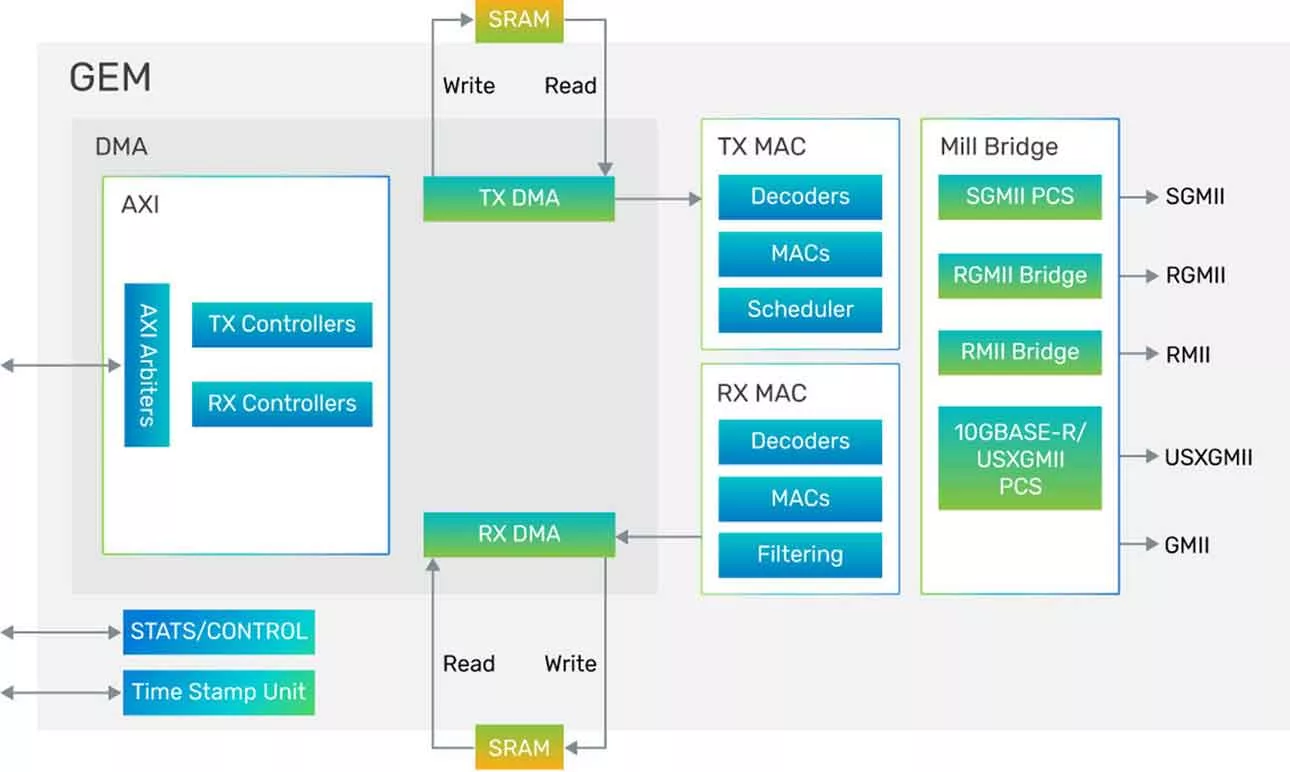
Cadence Ethernet PCS and connectivity IP provide you with a wide range of connectivity IP that can be used to interface Cadence and third-party MAC IP to standard interfaces. Our Ethernet PCS solutions ease integration of MAC IP with a broad range of PHY and SerDes IP. Our connectivity IP solutions include XGMII to GMII converters and Backplane Ethernet Auto-Negotiation (BEAN).
USXGMII PCS
XAUI PCS
Note: some files may require an NDA depending on provider policy.

Low-Speed Ethernet PCS is a Single-Protocol PHY IP core from Cadence Design Systems, Inc. listed on Semi IP Hub.
Engineers should review the overview, key features, supported foundries and nodes, maturity, deliverables, and provider information before shortlisting this Single-Protocol PHY IP.
Yes. Buyers can compare this product with similar semiconductor IP cores or IP families based on category, provider, process options, and structured technical specifications.