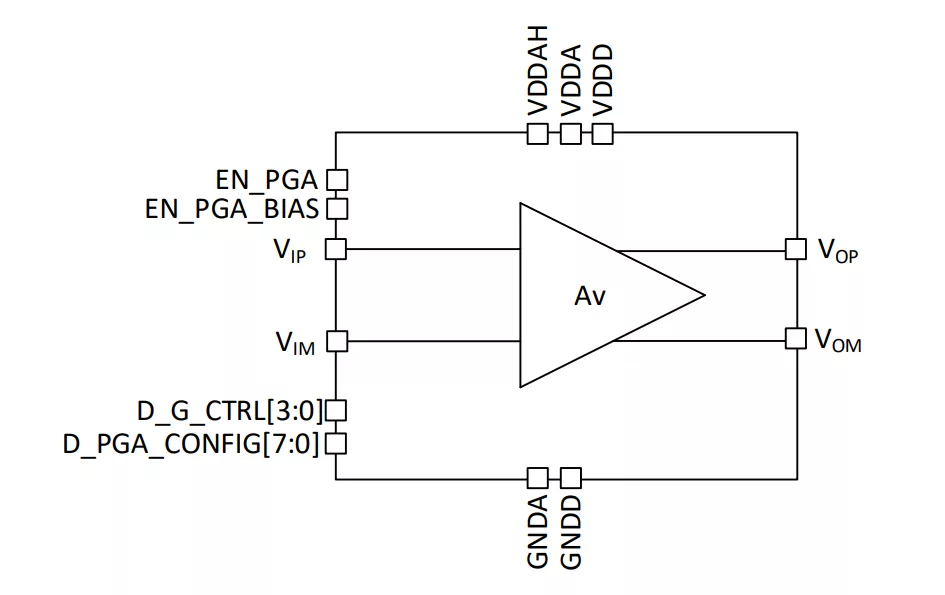
Learn more about Amplifier IP core
New analog front-end IP development targets up to 224Gb/s PAM4 optical I/O to improve bandwidth density and reduce power for AI interconnect.
Veteran finance leader to advance the company’s financial strategy and support scalable growth in physical AI, data center networking, and next-generation connectivity markets.
Wu will lead the company’s product and strategic marketing initiatives, with a focus on product positioning, go-to-market execution and ecosystem engagement across AI, data center, 5G/6G, satellite communications, and automotive ADAS (Advanced Driver Assistance Systems) applications.
Veteran semiconductor sales leader to accelerate global revenue growth and expand strategic customer partnerships across AI, data center, 5G/6G, satellite communication and automotive markets.
This time-interleaved ADC provides the breakthrough speed and performance required for the next generation of high-speed data communications, including optical networking and the emerging PCIe Gen 7 standard.
Omni Design Technologies, a leader in Wideband Signal Processing™ solutions for the AI data revolution, today announced that it has successfully raised over $35 million in an oversubscribed Series A equity financing round.