Silicon Creations Receives 10th Consecutive TSMC OIP Partner of the Year Award for Mixed Signal IP
Recognition reflects over 15 years of collaboration and production success supporting customers across advanced TSMC process technologies
Silicon Creations provides precise, ultra-low jitter LC-tank based PLLs for demanding applications such as AFE, Converter, high-e…
Silicon Creations provides precise, ultra-low jitter LC-tank based PLLs for demanding applications such as AFE, Converter, high-end PHY and RF clocking. Our LC-PLL portfolio includes:
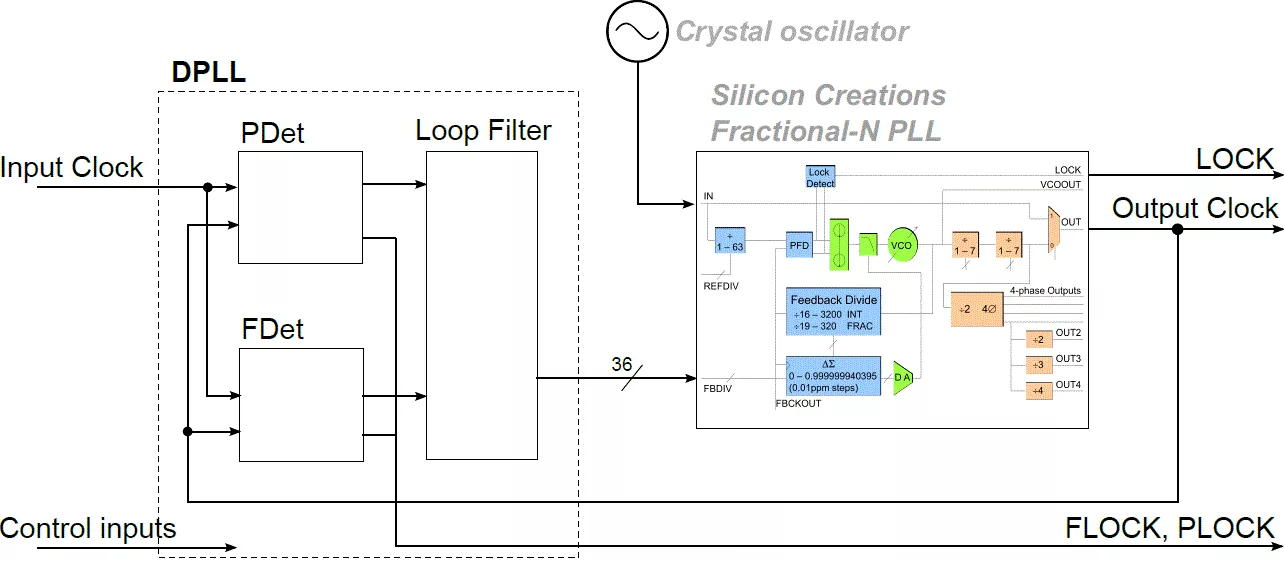

High Quality LC-PLLs is a PLL IP core from Silicon Creations listed on Semi IP Hub.
Engineers should review the overview, key features, supported foundries and nodes, maturity, deliverables, and provider information before shortlisting this PLL IP.
Yes. Buyers can compare this product with similar semiconductor IP cores or IP families based on category, provider, process options, and structured technical specifications.