Learn more about SRAM IP core
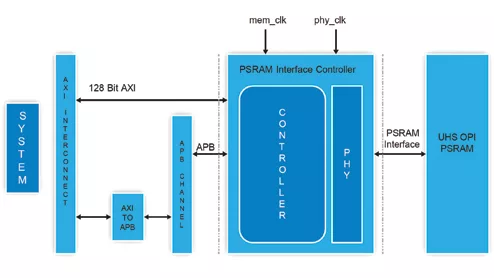
Mobiveil, Inc., a fast-growing supplier of silicon intellectual property (SIP), platforms and IP-enabled design services, today announced it has adapted its PSRAM controller IP to leverage the unique characteristics of AP Memory’s Ultra High Speed (UHS) PSRAM device.
GlobalLogic, a Hitachi Group Company and a leader in Digital Engineering, today announced that it has entered into a definitive agreement to acquire Mobiveil, a specialized embedded engineering services firm headquartered in the United States.
With the reintroduction of semiconductor integration into system development, standards-based chiplets promise more efficient, cost-effective designs.
Mobiveil, Inc., a fast-growing supplier of silicon intellectual property (SIP), platforms and IP-enabled design services, today announced a partnership with Winbond to deliver an IP controller targeting automotive, smart IoT, industrial, wearables, true wireless stereo (TWS), wireless headsets, smart speakers and connectivity applications.
Mobiveil, Inc., a fast-growing supplier of silicon intellectual property (SIP), platforms and IP-enabled design services, today announced successful inter-op verification of its production-proven Enterprise Flash Controller (EFC) Design IP and InPsytech’s ONFI 5.1 PHY IP.
Mobiveil, Inc., a fast-growing supplier of silicon intellectual property (SIP), platforms and IP-enabled design services, today announced it is working with AP Memory, a market leader in PSRAM devices, to bring new IP controller targeting modem, connectivity, smart IoT, edgeAI, display and wearables applications.