RF front-ends for GSM mobile handsets continue down path of integration
RF front-ends for GSM mobile handsets continue down path of integration
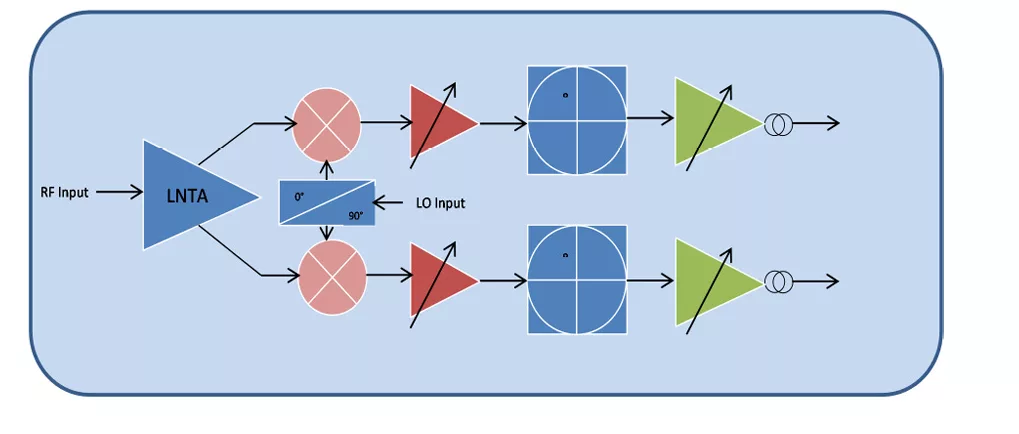
The TRV501TSM180RF IP is a Ku-Band (10.7GHz to 12.75GHz) Receiver (Rx) RFFE TSMC 180nm RF CMOS process technology.
The TRV501TSM180RF IP is a Ku-Band (10.7GHz to 12.75GHz) Receiver (Rx) RFFE TSMC 180nm RF CMOS process technology. It integrates X+Y receiver channels on the same die and its low noise figure and wide baseband bandwidth makes it especially suitable for use in high-throughput modular digital Phased-Array Antenna products for mobile/tethered satellite communication applications.
Note: some files may require an NDA depending on provider policy.
| Foundry | Node | Process | Maturity |
|---|---|---|---|
| TSMC | 180nm | RF | — |

Ku-Band Phased Array Rx-FE in TSMC 180nm RF is a RF Front End IP core from Tetrivis listed on Semi IP Hub. It is listed with support for tsmc.
Engineers should review the overview, key features, supported foundries and nodes, maturity, deliverables, and provider information before shortlisting this RF Front End IP.
Yes. Buyers can compare this product with similar semiconductor IP cores or IP families based on category, provider, process options, and structured technical specifications.